Improve Your EPC Score in Leicester
Serving Leicester and the wider Leicestershire area, including Loughborough, Hinckley, Coalville.
The two numbers that define Leicester’s EPC problem
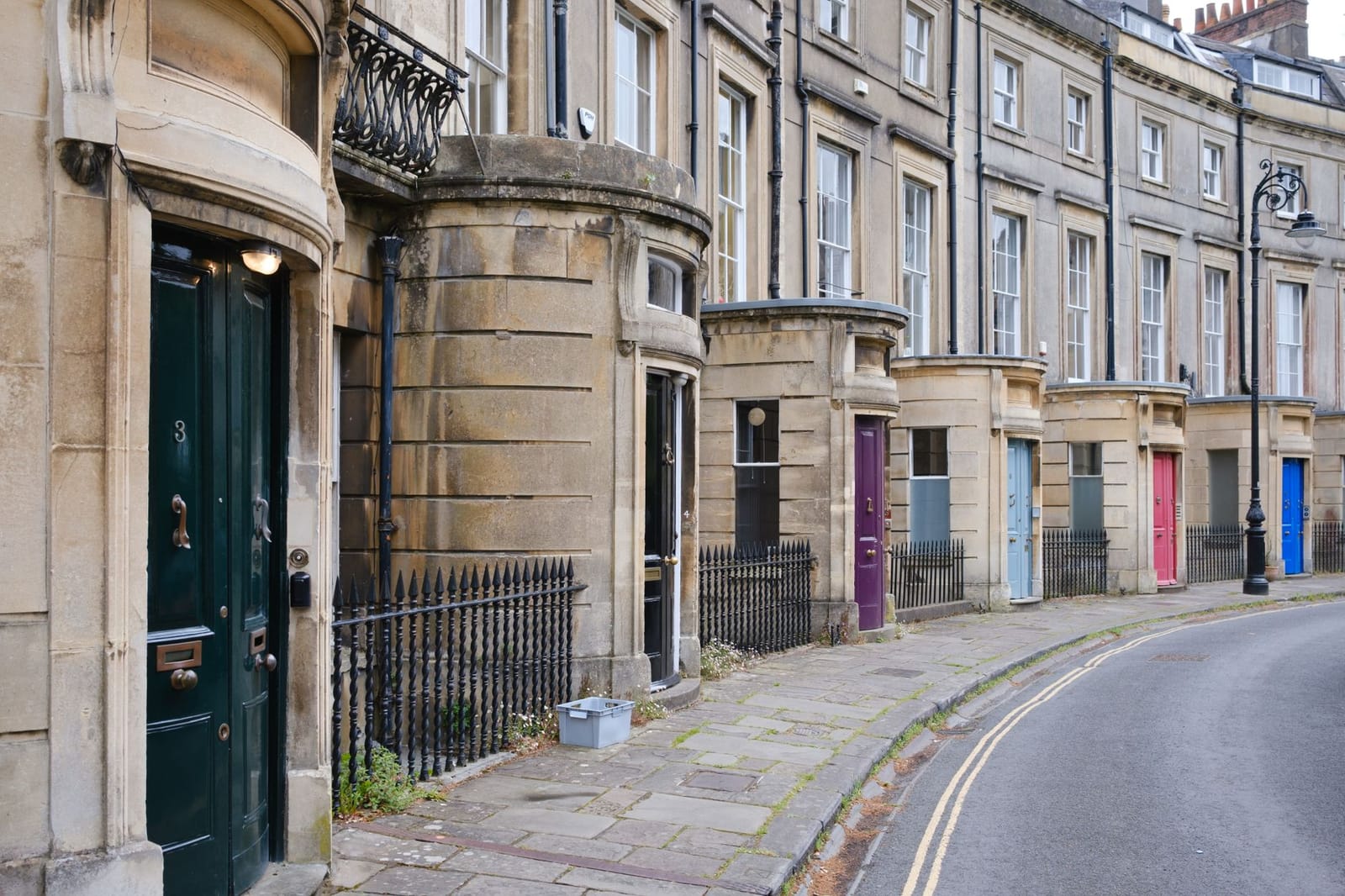
Leicester City Council’s own cabinet papers on home energy efficiency contain the whole story in two figures: the current level of EPC band C homes in the city is 36%, and the potential, if every home received its recommended retrofit, is 86%. That fifty-point spread is the improvement market. Roughly two Leicester homes in three sit below the 69-point band C threshold, not because the fixes are exotic but because nobody has sequenced them. The same papers explain why: about 36% of the city’s stock was built before 1929, much of it terraced or semi-detached with solid walls, and the council’s own retrofit policy is explicitly fabric-first for exactly that reason. If you own one of those homes, in Highfields, Belgrave, Westcotes, Clarendon Park or off Narborough Road, this page sets out where the points leak, which measures buy them back cheapest, and what is genuinely fundable in Leicester in 2026.
Start from the gap, not the guesswork
An EPC is a SAP score from 1 to 100. Band C starts at 69, B at 81, and your current score is on your certificate, free to check on the national register at GOV.UK, along with the inputs the assessor recorded and a recommendation list with indicative rating changes. A mid-D Leicester semi at 62 needs seven points; a weak-E Highfields terrace at 45 needs twenty-four. That number decides everything, because the cost of a point varies by a factor of nearly a hundred depending on which measure buys it. Anyone who quotes you works to improve your EPC score without asking for your current score first is selling measures, not points.
Where Leicester’s housing loses points
The pre-1929 terrace belt. Census 2021 put 29% of Leicester households in terraced homes, one of the higher shares among English cities, and the red-brick streets of Highfields, Belgrave, Spinney Hills, Westcotes and Clarendon Park are overwhelmingly solid-walled. Solid brick is the biggest single drag on an RdSAP score: nationally only 23% of pre-1919 homes reach band C or above, against 86% of post-1990 stock (House of Commons Library analysis of English Housing Survey data). The instinctive response, £8,000 to £15,000 of wall insulation, is usually the wrong first move, as the sequencing below shows.
The interwar and postwar suburbs. Braunstone, Saffron Lane, New Parks, Evington and Rushey Mead carry large volumes of cavity-walled stock from the 1920s to the 1960s. Unfilled cavities and thin lofts here are the cheapest big points in the city: cavity fill at £400 to £1,500 typically adds 5 to 15 points, and it is not available to the solid-walled terraces a mile closer in.
The district-heating estates. Leicester’s district heating network, one of the longer-established in England, supplies four inner-city estates (St Matthews, St Marks, St Peters and St Andrews) along with the University of Leicester and other public buildings; the St Matthews plant alone runs 17MW of boiler capacity with 1.6MW of combined heat and power (council Housing Scrutiny briefing, 9 January 2023). On networked homes the heat supply is scored as it stands, so the owner’s controllable points are lighting, hot water, draught-proofing and fabric rather than a boiler swap.
Buying points in the right order
The cost-per-point ladder for a typical Leicester home, cheapest first:
- LED lamps throughout, £20-£80, typically +1-3 points (roughly £10-£40 per point)
- Hot-water cylinder jacket, £15-£80, typically +1-4 points
- Full heating controls (programmer, room thermostat, TRVs), £150-£500, typically +2-5 points
- Draught-proofing, £30-£250, typically +1-3 points, and it protects everything else’s performance
- Loft insulation top-up to 270-300mm, £300-£800, typically +5-15 points; the best sub-£1,000 measure on almost every Leicester certificate
- Cavity wall insulation (suburbs only), £400-£1,500, typically +5-15 points
- Suspended timber floor insulation, £400-£2,300, typically +2-6 points; many Victorian terraces have void access that brings materials costs down to a few hundred pounds
At the expensive end: a condensing boiler swap (£2,000-£3,500, +5-15), solar PV (£4,500-£8,000, +6-15, the right finisher for a C-to-B push, covered on our solar hub), and finally glazing and solid walls. Double glazing is documented in a published landlord case at 2 points for £5,400, around £2,700 per point, which is why the honest advice for a Clarendon Park bay window is draught-proofing and secondary glazing for comfort, not uPVC for points. The full national table lives on our cost per point page, and the sub-£500 package has its own quick wins hub.
The solid-wall playbook for Highfields and Belgrave
The published case the whole improvement niche leans on is directly relevant to Leicester’s terrace belt: a solid-wall Victorian mid-terrace, EPC E (48), taken to C (77) for about £8,550, no wall insulation, no new boiler (The Independent Landlord, a documented, named case study). The points came from an £800 loft top-up (roughly £95 per point), floor insulation fitted from below, controls and quick wins; the £5,400 of glazing added two points. Sequence a Highfields terrace the same way: quick wins, loft, floor, heating controls, then re-assess. Only if the arithmetic still falls short does internal or external wall insulation enter the plan, with damp-risk caveats on solid brick that our insulation hub covers honestly, and with the council’s fabric-first retrofit stance as supporting context rather than a substitute for property-specific advice.
Belgrave and the corner-terrace problem
Belgrave, Spinney Hills and Highfields hold some of the densest pre-1929 terraced streets in the East Midlands, including a stock type the national guides ignore: the corner terrace, with two or three exposed external walls where a mid-terrace has one. Corner and end-of-terrace homes lose more heat through solid walls, score lower, and gain more from every fabric measure, which moves floor insulation and draught-proofing up the priority list and makes the loft top-up non-negotiable. Shop-and-flat buildings along Belgrave Road and Melton Road add a second wrinkle: the flat above a shop is often all-electric, where the levers are modern storage heaters, controls and cylinder insulation rather than a boiler swap. Both cases reward the same discipline, score first, sequence cheapest, re-assess with evidence, just in a different measure order than the standard mid-terrace.
What Leicester will actually fund in 2026
Leicester City Council is a delivery authority for the Warm Homes: Local Grant, funding energy-efficiency and low-carbon heating measures for low-income households in privately owned D-G-rated homes, and it pairs the scheme with Homewise, the council’s own retrofit-planning service for residents. Uptake of the predecessor schemes shows real throughput: the council reported 647 homes registered under ECO4 and 59 Home Upgrade Grant 2 applications in its energy-efficiency update, with earlier Local Authority Delivery funding fully spent plus a further £1.3 million secured. City-wide and unconditional: 0% VAT on energy-saving materials for residential installs runs until 31 March 2027 (then 5%), and the Boiler Upgrade Scheme pays £7,500 toward an air or ground source heat pump, landlords eligible, fabric recommendations cleared first. There is no grant for the EPC itself: a fresh domestic assessment typically costs £45 to £120 and is the step that makes every improvement official.
Bring paperwork, leave with points
RdSAP 10 has scored evidence rather than assumption since 15 June 2025, and Leicester’s older stock is where the rule bites hardest: a pre-1929 solid-wall home with no documentation is assessed on the most cautious defaults for its age band. Before the assessor visits, gather the boiler’s model and serial number, any cavity or loft invoices with depths recorded, FENSA certificates for glazing, MCS paperwork for solar, and photographs of insulation as installed. The council’s Homewise service helps residents plan the works; the evidence pack is what makes those works count at the register. A £45 to £120 re-assessment with full paperwork routinely out-scores the identical home surveyed blind.
Dates that matter, law first, proposals labelled
For Leicester landlords the law today is minimum EPC E: new tenancies since 1 April 2018, all tenancies since 1 April 2020, £3,500 cost cap, penalties up to £5,000 per property enforced by Leicester City Council. The EPC C by 1 October 2030 standard is confirmed government policy (response published 21 January 2026), measured across two reformed metrics, fabric performance plus heating system or smart readiness, with a proposed £10,000 cost cap; it is not yet law, with secondary legislation reported as targeted for 2027. Domestic assessments have used RdSAP 10 since 15 June 2025: windows measured individually, heating scored from documented model numbers, smart controls and batteries recorded, so keep every invoice and certificate. Reformed four-metric EPCs via the Home Energy Model are targeted from October 2026, subject to regulations. Fabric and controls score under both regimes; that is why cheapest-first is also future-proof-first.
Leicester EPC improvement FAQs
My Belgrave terrace is E (47). What does C realistically cost?
The gap is 22 points. Benchmarks: the government impact assessment for the proposed landlord standard averaged £5,400 per property, the English Housing Survey 2023-24 put the average cost of reaching C at about £6,864, and the documented solid-wall terrace case did +29 points for roughly £8,550. On a Belgrave terrace with a decent boiler, quick wins plus loft, floor and controls frequently close 22 points for £2,000 to £5,000, confirmed against your actual recommendation report before any spend.
I live on the St Matthews district heating network. What can I change?
The heat supply itself is scored as supplied, so your levers are everything else: LED lighting, cylinder insulation, draught-proofing, and fabric where the lease or tenancy allows. For council tenants the network and fabric programmes are the council’s side; for leaseholders and private owners nearby, the cheap in-home measures typically move a D toward C without touching the communal system.
Is cavity wall insulation worth it in Evington or Rushey Mead?
Usually, yes, it is the standout value measure for Leicester’s interwar and postwar suburbs: £400 to £1,500 for typically +5 to 15 points, with CIGA-backed guarantees as the RdSAP 10 evidence. The caveat is construction: pre-1929 streets closer to the centre are mostly solid-walled, where cavity fill is impossible and the terrace playbook above applies instead.
Do Leicester’s conservation areas block EPC improvements?
They constrain windows and external wall insulation in places like New Walk and parts of Clarendon Park and Stoneygate, but the constrained measures are the worst value per point anyway. Loft insulation, heating controls, cylinder jackets, LED lighting and draught-proofing need no consent, and secondary glazing is the consent-safe glazing route and is scored. Where consent is genuinely refused, that is a recognised MEES exemption ground, the backstop, never the plan.
Do I need a new certificate after the work?
Yes, an EPC cannot be edited. A fresh assessment (typically £45 to £120) lodges the new score on the national register for ten years, superseding the old one. Hand the assessor your evidence pack: invoices, boiler model number, insulation depth photos, FENSA or MCS certificates. Under RdSAP 10, documented measures score; undocumented ones default to pessimistic assumptions. More detail on our FAQs page.
Areas we serve around Leicester
We plan EPC improvements across every Leicester postcode from LE1 to LE19, the terrace belts of Highfields, Belgrave, Spinney Hills, Westcotes and Clarendon Park, the suburbs of Braunstone, Evington, New Parks and Rushey Mead, and the district-heating estates of St Matthews, St Marks, St Peters and St Andrews, plus Loughborough, Hinckley, Coalville, Melton Mowbray and Market Harborough. Neighbouring cities have their own stock profiles: see Coventry for post-war cavity stock and Derby for the railway-terrace equivalent.
Get the Leicester plan, not a national one
Send your address or current score through the quote form. We return your exact gap to band C or B, the measures ranked by cost per point for your construction, the Leicester funding you qualify for, Warm Homes: Local Grant, Boiler Upgrade Scheme, the 0% VAT window to 31 March 2027, and the evidenced re-assessment that locks the new score in. Request your free Leicester EPC improvement quote.
Postcodes covered in Leicester
- LE1
- LE2
- LE3
- LE4
- LE5
- LE6
- LE7
- LE8
- LE9
- LE10
- LE17
- LE18
- LE19
Other areas we cover
Get a free quote in Leicester
Responds within one working day
- 1. Gap analysis from your current EPC, your score, the gap to the next band, no obligation.
- 2. A ranked plan costed per point, cheapest first, with the evidence to keep.
- 3. Re-assessment by an accredited energy assessor, lodged on the national register.
- Accredited DEAs & NDEAs
- RdSAP 10 evidence-based
- Costed per point
- Lodged on the register