Improve Your EPC Score, Cheapest Points First
Band C starts at 69 points. We find your gap, rank every improvement by cost per point, LED lamps and heating controls long before glazing and wall insulation, and re-assess the property when the work is done. Evidence-based under RdSAP 10, lodged on the national register.
- Accredited DEAs & NDEAs
- Elmhurst
- Stroma / NAPIT
- Quidos
- ECMK

Assessments and re-assessments carried out by accredited Energy Assessors
- Elmhurst Energy
- Stroma / NAPIT
- Quidos
- ECMK
- Lodged on the national register
The economics of improving your EPC score
Improving an EPC score is arithmetic, not alchemy. A domestic EPC is a SAP rating from 1 to 100, band C starts at 69, B at 81, calculated by the government's RdSAP model from your home's fabric, heating, hot water and lighting, so every improvement measure adds a knowable number of points, and the gap between your current score and the next band tells you exactly how much work you need. The order matters more than the spend: LED lamps, a hot-water cylinder jacket, proper heating controls, draught-proofing and a loft top-up routinely deliver points at a tenth of the cost-per-point of double glazing (documented in one published landlord case at two points for £5,400), which is why a solid-wall Victorian terrace has been taken from EPC E (48) to a high C (77) for around £8,550 without touching the walls. The rules reward getting this right now: RdSAP 10 (in force 15 June 2025) scores evidence, so documented improvements earn points assumptions never will; landlords face a confirmed EPC C by 1 October 2030 standard measured across two of the reformed metrics (subject to secondary legislation); commercial buildings over 1,000 sqm face a proposed EPC B by 2031; and after the works, a fresh assessment, typically £45 to £120 for a home, re-lodges your new score on the national register for ten years. Cheapest points first, evidence in hand, re-assess, done.
- We rank every measure by cost per point, not by what installers want to sell, which is why glazing sits at the bottom of our list and a £25 cylinder jacket near the top
- We start from your actual number: current score, band threshold, points needed, the gap analysis competitors skip
- RdSAP 10 fluent: we tell you exactly what evidence to hand the assessor, because since 15 June 2025 documentation is literally worth points
- Future-proof sequencing: fabric and controls score under today's SAP and under the four reformed metrics coming with the Home Energy Model, no wasted spend when the goalposts move
What actually moves an EPC score
How EPC scoring actually works
An EPC score is arithmetic, not opinion, and once you can see the arithmetic the whole job gets simpler. For an existing home your score is a SAP rating from 1 to 100, produced by the government's RdSAP model, a standardised calculation of what the property should cost to heat, light and run per square metre of floor area. It is a model of running cost, not a reading of your bills, which is why an empty house and an over-heated one on the same street get the same number. Lower modelled running cost means a higher score. You can read the methodology behind it in the Standard Assessment Procedure (SAP) on GOV.UK.
The bands are fixed thresholds on that 1-to-100 scale: A is 92 and above, B is 81 to 91, C is 69 to 80, D is 55 to 68, E is 39 to 54, F is 21 to 38, G is 1 to 20. The letter is what agents and lenders quote, but the number is what you plan against. A mid-D home at 62 needs only 7 points to reach C; a weak E at 40 needs 29. That single subtraction, your current score, minus the next threshold, is the first line of every plan we build, and it is the fact almost every competitor buries. You can pull your current score for free on the government's find your current EPC score on the national register service.
Because the model is built element by element from a cost-per-square-metre calculation, the levers rank in a predictable order: uninsulated walls are the biggest single drag, then the roof and loft, then the heating system and its controls, then windows and draughts, then hot water, then lighting, with renewables acting as a generation offset on top. That order is the backbone of our whole ranked cost per point approach, and it is why we sequence rather than sell.
One recent change matters more than any other for anyone improving a score. RdSAP 10 came into force on 15 June 2025, and it made the assessment evidence-based. Every window is now measured individually instead of assumed from a "typical window area"; heating efficiency is scored from documented model data rather than age-band defaults; and smart heating controls and battery storage are recorded for the first time. Surveys take longer, up to around 90 minutes against the old 45 to 60, and typical fees rose roughly 15 to 30 per cent. The practical upshot is blunt: undocumented improvements now score as if they barely exist. A boiler with no model number, insulation with no invoice or depth photo, is assessed on pessimistic assumptions. Evidence is now worth points, and preparing that evidence pack is part of what we do.
Non-domestic buildings are different arithmetic entirely. A commercial EPC is an asset rating modelled in SBEM (Level 3 for simple buildings, Level 4 for complex ones, with DSM at Level 5 for the most complex), where a standard benchmark building scores 100 and lower is better. The headline metric is the carbon-based Environmental Impact Rating, which the government confirmed it will keep for non-domestic EPCs in its March 2026 reform response. The cheap commercial points are the same shape as the domestic ones: LED lighting with controls first, then heating.
The cost-per-point ladder
This is the table no competitor publishes, and it is the reason the site exists. Guides give you points or costs; almost nobody does the division that turns them into a ranking. Below, every common measure is ordered cheapest cost-per-point first, the true order to buy EPC points in, which is very nearly the reverse of the order most people assume. The points are property-specific (a measure adds more to a worse home), so treat the ranges as a planning tool confirmed by an assessment, never a guarantee. Sources: published UK scoring guides, Propertymark's analysis of points per measure, and the documented landlord case below.
| Measure | Typical installed cost | Typical points | Approx. cost per point | Best for |
|---|---|---|---|---|
| LED lamps throughout | £20-£80 | +1-3 | ~£10-£40 | The cheapest points on any certificate; every property |
| Hot-water cylinder jacket (80mm+) | £15-£80 | +1-4 | ~£10-£40 | Homes with a bare or thinly-jacketed cylinder |
| Heating controls (programmer, room stat, TRVs) | £150-£500 | +2-5 | ~£75-£150 | Poorly-controlled wet heating systems |
| Draught-proofing | £30-£250 | +1-3 | ~£30-£150 | Older homes with gappy doors, windows, floors |
| Loft insulation top-up (to 270-300mm) | £300-£800 | +5-15 | ~£50-£100 | The best sub-£1,000 fabric measure |
| Cavity wall insulation | £400-£1,500 | +5-15 | ~£80-£150 | Cavity-walled stock, broadly post-1920s |
| Low-energy hot water (efficient cylinder / controls) | £150-£1,000 | +2-6 | ~£75-£200 | Older stored-hot-water systems |
| Room-in-roof insulation | £1,500-£4,000 | +8-12 | ~£150-£350 | Converted-loft rooms losing heat through sloped ceilings |
| Solar PV (~4 kWp) | £4,500-£8,000 | +6-15 | ~£400-£800 | The finisher, last points into band B |
| Solid wall insulation (IWI/EWI) | £8,000-£15,000+ | +10-20 | ~£500-£1,000 | Pre-1919 solid-wall stock, as a last resort |
| Double glazing (whole elevation) | £3,000-£6,000+ | +2-10 (documented +2) | ~£1,000-£2,700 | Comfort, noise and saleability, not points |
Read the two ends against each other. A £25 cylinder jacket and a set of LED lamps buy points at roughly £10 to £40 each. New double glazing, the upgrade almost everyone reaches for first, sits at the very bottom, documented at around £2,700 per point. That inversion is the single most useful fact on this page: the intuitive order of works is the expensive order, and following it wastes thousands. Our heating and controls hub and insulation hub work through the top of the ladder in detail.
Five cheapest points most owners miss
The measures at the top of the ladder are cheap precisely because they are unglamorous, which is exactly why they get skipped in favour of the visible upgrades. Here are the five that owners most often walk past on their way to a five-figure quote.
LED lamps throughout. At £2 to £5 a bulb, a whole-house swap costs £20 to £80 and typically adds 1 to 3 points. Under RdSAP 10 low-energy lighting is now counted per fitting, so a house with a mix of halogen spots and old bulbs has genuine points sitting in its light sockets. Nothing on any certificate is cheaper per point.
A hot-water cylinder jacket. If the property still has a stored-hot-water cylinder and it is bare or wearing a thin old jacket, an 80mm jacket costs £15 to £80 and can add 1 to 4 points. It takes twenty minutes and no trade. Owners of combi-boiler homes have no cylinder to insulate, but a surprising number of period rentals still do.
Full heating controls. A programmer, a room thermostat and thermostatic radiator valves together cost £150 to £500 and add 2 to 5 points, one of the strongest cost-per-point measures after the quick wins. Smart controls are now recorded under RdSAP 10 and map straight onto the proposed "smart readiness" metric in the reformed EPC, so these points are future-proof as well as cheap.
Draught-proofing. Sealing doors, windows and floor gaps costs £30 to £250, adds 1 to 3 points, and quietly improves the performance of every other measure by cutting uncontrolled heat loss. It delivers a slice of what new glazing does for one or two per cent of the price.
A loft insulation top-up. Topping up thin loft insulation to 270 to 300mm costs £300 to £800 and typically adds 5 to 15 points, Propertymark's analysis puts the average top-up at +4.9, and a documented Victorian-terrace case gained 8 to 9 points from an £800 top-up. It is the best sub-£1,000 fabric measure on almost any home, and it is fabric, so it scores under the coming reformed metrics too.
Stack those five and many D-rated homes reach C for well under £1,500, before a single four-figure measure is considered. That package is the whole point of our cheapest EPC improvements hub.
What it costs to go from E to C
The honest answer to "what will it cost to reach C" is: it depends on your starting fabric, and anyone quoting a single figure sight-unseen is guessing. But the published benchmarks give a fair range to plan against.
The government's own impact assessment for the proposed landlord standard estimated around £5,400 on average per property. The English Housing Survey 2023-24 puts the average cost of bringing a rented home to band C at roughly £6,864. Both are averages across all stock, efficient post-1990s homes often need only the sub-£1,500 quick-win package, while solid-wall period stock sits at the top of the range.
The most useful figure of all is documented. In a published case study from The Independent Landlord (Suzanne Smith), a named, real-property account, read the documented landlord case study here, a late-Victorian solid-wall mid-terrace was taken from EPC E (48) to a high C (77), a gain of 29 points, for around £8,550, and crucially, without wall insulation and without a new boiler. The points came from an £800 loft top-up (about 8 to 9 points, or roughly £95 per point) and suspended-floor insulation fitted from the cellar for about £150 in materials. Most of the spend was £5,400 of front-elevation double glazing that added just 2 points, done for comfort and saleability, not for the certificate. That single case is the argument against the £15,000 scare quote: a solid-wall Victorian terrace reached a high C by sequencing the cheap points first.
The proposed cost cap for the 2030 landlord standard is £10,000 per property (the current E-standard cap is £3,500), and when the measures are ordered cheapest-points-first, most homes clear C well inside it. Our full cost breakdown sets out the arithmetic property type by property type.
Does solar raise an EPC score?
Yes, and this is the most-asked question in the niche, so here is the honest answer rather than the salesperson's one. A typical 4 kWp domestic system adds around 6 to 15 SAP points (published guides range from 6-to-10 up to 10-to-15 depending on the property), because the generation offsets the modelled running cost that drives the score. Under RdSAP 10 a battery is now recorded too, so if you already have storage, make sure it is evidenced at your next assessment, before June 2025 it simply did not show up.
The catch is cost per point. At £4,500 to £8,000 installed, solar works out at roughly £400 to £800 per point, mid-table value, and rarely the right first move. Spending £6,000 on panels to gain points that £1,000 of lighting, controls and loft insulation would have delivered is the classic expensive mistake. There is a forward-looking reason too: the proposed 2030 landlord standard is measured across two metrics including fabric performance, and panels do not insulate a wall, so a score propped up by generation alone may not survive the metric split.
The strong play is solar as the finisher, after the cheap fabric and controls points are banked, where it is often exactly what lifts a solid C into band B. We work through the arithmetic on the solar PV and EPC hub, and cover the heat-pump question, which behaves very differently, on the heat pump and EPC hub.
How our service works
The whole journey is four steps, and every one exists because the arithmetic demands it.
1. EPC review and gap analysis. We start from your actual number, not a national average. We pull your lodged certificate, read the recorded inputs and the recommendation report, and work out the gap, current score, target threshold, points needed. If your certificate looks wrong (insulation you can evidence recorded as none, a condensing boiler logged as standard), we flag it: sometimes the cheapest points come from correcting the assessment, not from any works.
2. A plan ranked by cost per point. We sequence the measures your property actually needs by cost per point, cheapest first, walls only if the arithmetic still demands them after the quick wins are counted. This is the opposite of a sales quote: glazing sits at the bottom of your list, a £25 cylinder jacket near the top, and nothing is on the plan that does not earn its place in points.
3. The measures, in order. Quick wins and fabric first, generation and heating upgrades where they carry their weight. We tell you exactly what evidence to keep at each stage, invoices, boiler model numbers, FENSA and MCS certificates, insulation depth photos, because under RdSAP 10 that paperwork is worth real points at re-assessment.
4. Re-assessment and re-lodgement. A certificate can never be edited, so the score only changes when a fresh assessment is lodged on the national register. We arrange the re-assessment, hand the assessor your evidence pack, and the new certificate, valid ten years, supersedes the old one. Until that lodgement happens, the improvements legally do not exist to agents, buyers, lenders or MEES enforcement.
When you are ready, our quote request form starts the review, no phone call needed, just your address and where you stand.
Grants that lower the cost
There is genuine help available, and there is a lot of stale nonsense too, so here is the dated, honest picture as it stands in July 2026. The detail sits on our grants and funding page.
Boiler Upgrade Scheme (BUS). Open, and the most valuable grant in the niche: £7,500 toward an air or ground source heat pump in England and Wales, landlords included. It requires a valid EPC with no outstanding loft or cavity insulation recommendations (unless technically unsuitable) and an MCS-certified installer, so fabric-first is literally a grant condition. The scheme is funded through 2029/30, and a temporary higher grant for oil and LPG-heated homes was announced in 2026; treat £7,500 as the dependable figure and confirm the current uplift on the Boiler Upgrade Scheme page.
0% VAT on energy-saving materials. This is the site's one honest, dated reason to act this year. Zero-rate VAT applies to installing qualifying measures, insulation, heating controls, heat pumps, solar, battery storage, in residential accommodation until 31 March 2027, after which it reverts to 5 per cent. It cuts the cost of almost every measure on this site, and the window is closing. See the 0% VAT rules for energy-saving materials (Notice 708/6).
ECO4 and the Great British Insulation Scheme. Be careful here. ECO4 is supplier-funded insulation and heating for low-income and vulnerable households, eligibility is tied to the occupant being on qualifying benefits or assessed low-income, never a general landlord entitlement, and it is in its end phase (originally to 31 March 2026, with a consulted extension to 31 December 2026). Check its current status before relying on it. The Great British Insulation Scheme closed to plan in March 2026 and should not be promised at all.
The Warm Homes Plan is the umbrella to cite: £15bn of public investment, up to 5 million homes, including the council-delivered Warm Homes: Local Grant for eligible households. Availability is postcode- and eligibility-dependent, point owners to their council and gov.uk. One thing that has no grant is the EPC assessment itself: pre-improvement advice and the re-assessment are paid professional services, and we say so plainly.
EPC rules and deadlines in plain English
Precision matters here, because the rumour mill has the dates wrong more often than right. Here is exactly where things stand, separated into what is law, what is confirmed policy, and what is only a proposal.
Domestic minimum EPC E, LAW, now. It has been unlawful to grant a new tenancy on a home below EPC E since 1 April 2018, and unlawful to continue any tenancy below E since 1 April 2020, under the Energy Efficiency (Private Rented Property) Regulations 2015. The cost cap is £3,500 and penalties reach £5,000 per property, enforced by the local authority. This is the rule that bites today.
Domestic EPC C by 1 October 2030, CONFIRMED POLICY, not yet law. On 21 January 2026 the government confirmed that privately rented homes in England and Wales must reach EPC C by 1 October 2030 for all tenancies, measured across two of the reformed metrics (fabric performance plus heating system or smart readiness), with a proposed £10,000 cost cap. The Warm Homes Plan restates it. But it is delivered through secondary legislation reported as targeted for 2027, so the final exemption detail is not settled, plan for it now, and treat anyone calling the rules "settled" with caution.
Commercial EPC B by 2031, PROPOSAL only. The law today for commercial property is minimum EPC E to let, including continuing lets since 1 April 2023, with penalties tiered on rateable value up to £150,000. The government's interim response of 18 June 2026 proposes, subject to secondary legislation, that privately rented non-domestic buildings over 1,000 square metres reach EPC B by 2031; the previously floated interim EPC C for 2027 was dropped, and smaller buildings stay on E with no new deadline. Anything you read saying "EPC B by 2030" or a firm 2027 commercial milestone is stale.
Reformed metrics, PROPOSAL, targeted October 2026. The partial government response of 9 March 2026 confirms domestic EPCs will move from one cost metric to four headline metrics, energy cost, fabric performance, heating system, smart readiness, produced with the Home Energy Model replacing SAP/RdSAP, with ten-year validity retained and new-style domestic EPCs targeted from October 2026, subject to the regulations (industry reporting suggests the date could slip, so check gov.uk). You can read the partial government response on EPC reform. The strategic point: fabric and heating improvements score under both the current and the reformed regime, so the cheap order is also the future-proof order.
Full landlord detail lives on our FAQs page, and the deadline-first view is covered by our sister guidance on landlord EPC compliance.
EPC improvement by measure
Every measure has its own hub, written to the same standard as this page, the real points, the real costs, and the honest caveats. Work through them in the order the ladder ranks them.
- Quick wins and cheapest EPC improvements, LED lamps, cylinder jacket, draught-proofing and low-energy hot water: the sub-£500 package that moves most D-rated homes most of the way to C.
- Insulation: loft, cavity, floor and walls, the loft top-up as the best sub-£1,000 fabric measure, cavity fill for post-1920s stock, and solid-wall insulation last of all.
- Heating, boilers and controls, full controls as a top cost-per-point measure, and the honest position on when a new boiler earns its points.
- Heat pumps and low-carbon heating, the +10-to-20-point measure that clears the future heating metric, with the £7,500 grant and an honest note on variable uplift.
- Solar PV and battery storage, yes it raises the score, why it is the finisher rather than the first move, and how batteries now count.
- Glazing, windows and draught-proofing, the honest hub: why £5,400 of glazing bought 2 points, and what to buy instead for points.
Improving EPC scores across the UK
The arithmetic is the same in every postcode, but the housing stock is not, a pre-1919 solid-wall terrace in one town and a 1960s electric-heated flat in another need very different sequences to reach the same band C. We plan improvements around the stock and the local grant availability for properties across England and Wales, from period terraces and cavity-walled semis to high-street commercial units. Find your area, and the stock-specific plan for it, on our locations directory. Wherever you are, the first step is the same: check your current EPC score on the national register, find your gap, and buy the cheapest points first.
From your current rating to a re-lodged score
A clear, four-step journey. We start from your actual number and buy points in cost-per-point order.
- 01Step 1
Current EPC review & gap analysis
We pull your lodged certificate and its recommendation report, find your score and the gap to the next band, and check the inputs are right.
- 02Step 2
Ranked, cheapest-points-first plan
Every worthwhile measure costed in £ per point for your property, lighting, controls and a loft top-up before glazing or wall insulation, with the 0% VAT window factored in.
- 03Step 3
Measures installed with evidence kept
The works are carried out in sequence, and we tell you exactly what evidence to keep, invoices, model numbers, FENSA and MCS certificates, insulation photos, because under RdSAP 10 it is worth points.
- 04Step 4
Re-assessment & re-lodgement
An accredited assessor re-surveys, lodges the new score on the national register, and it runs for ten years, visible to buyers, lenders, tenants and MEES enforcement.
Every improvement, with the points it adds and what they cost
Each measure has its own points-per-pound. Pick yours for the detail, the arithmetic and where it belongs in the sequence.
 Cheapest points
 Quick Wins & Sub-£500 Points
£50-£500 total for the full quick-win package
Insulation (Loft, Cavity, Floor & Walls)
£300-£800 (loft top-up) to £8,000-£15,000+ (solid wall)
Heating, Boilers & Controls
£150-£500 (controls) to £2,000-£3,500 (boiler)
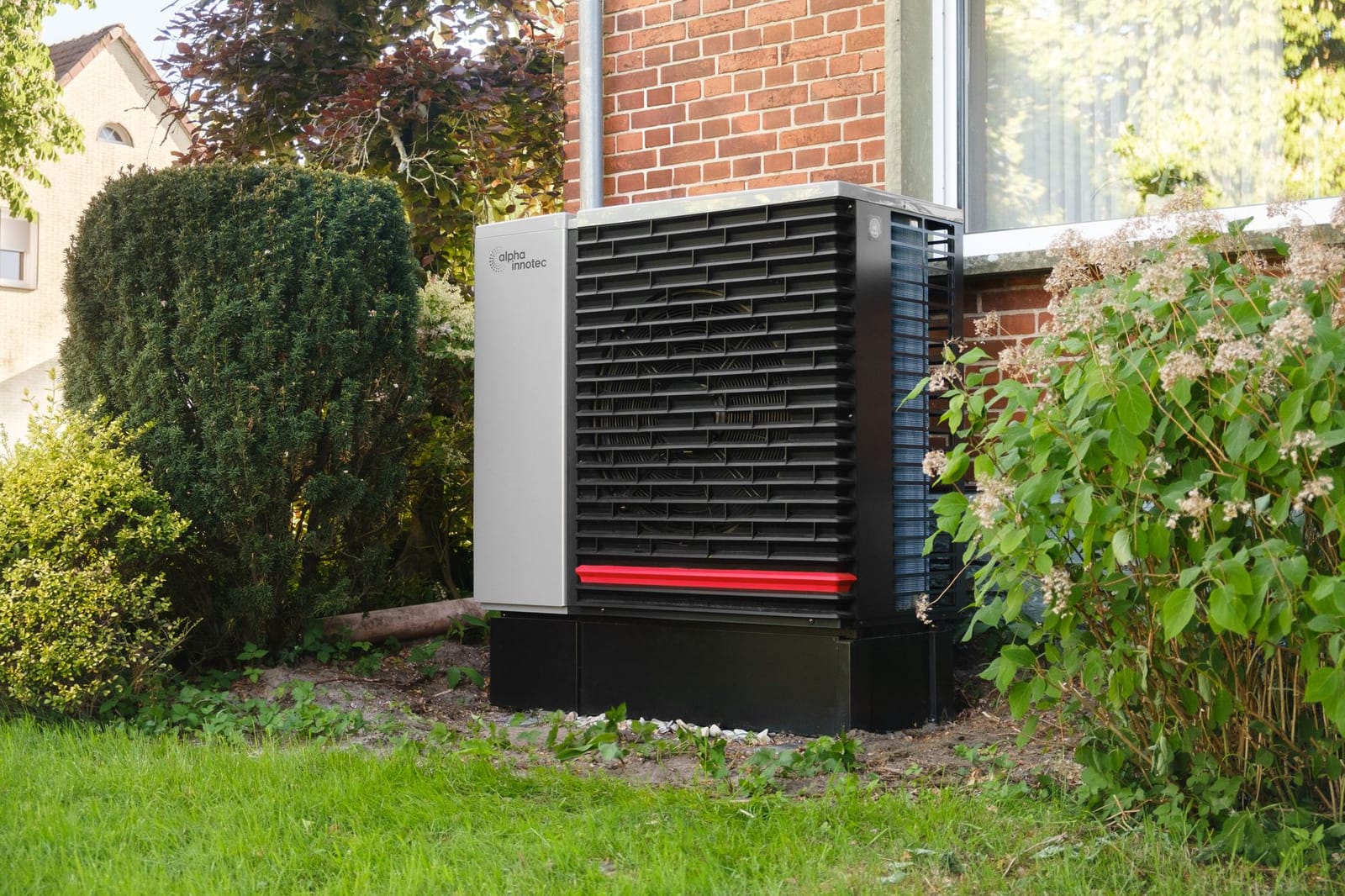
Heat Pumps & Low-Carbon Heating
£8,000-£15,000 gross; commonly £500-£7,500 net after the £7,500 Boiler Upgrade Scheme grant

Solar PV & Battery Storage
£4,500-£8,000 for a ~4 kWp domestic system

Glazing, Windows & Draught-Proofing
£3,000-£6,000+ (whole-elevation double glazing); £30-£250 (draught-proofing)

Documented: Victorian solid-wall terrace, EPC E (48) to C (77) for ~£8,550, no wall insulation
Published real-property case (The Independent Landlord, Suzanne Smith, cite and link as the source). A late-Victorian solid-wall mid-terrace rental with a cellar started at EPC E with a score of 48-21 points short of band C. The received wisdom said solid-wall insulation at £8,000-£15,000; the recommendation report and sequencing said otherwise.
Cheapest-points-first vs the order installers sell
| Cheapest-points-first (us) Costed per point, gap-led | Installer-led Sells the big-ticket measure | DIY / guesswork No gap analysis | |
|---|---|---|---|
| Starts from your actual score & gap | Sometimes | ||
| Every measure costed in £ per point | |||
| Quick wins & controls before glazing/walls | Sometimes | ||
| RdSAP 10 evidence pack prepared | Sometimes | ||
| Future-proofed for the 2026 metric split | |||
| Re-assessment lodged on the register | Sometimes |
EPC improvement across England & Wales
Local EPC-improvement and MEES guidance. Choose your area for local housing stock and council schemes.
London
Greater London, EPC-improvement planning and re-assessment across London.
Birmingham
West Midlands, EPC-improvement planning and re-assessment across Birmingham.
Leeds
West Yorkshire, EPC-improvement planning and re-assessment across Leeds.
Sheffield
South Yorkshire, EPC-improvement planning and re-assessment across Sheffield.
Manchester
Greater Manchester, EPC-improvement planning and re-assessment across Manchester.
Bradford
West Yorkshire, EPC-improvement planning and re-assessment across Bradford.
EPC-improvement questions, answered
The questions homeowners and landlords ask us most about raising a rating.
How is an EPC score calculated?
For an existing home it is calculated by RdSAP, the government's standardised model, not from your bills. The assessor surveys the fabric, heating, hot water, controls and lighting, and the model computes what the home should cost to run per square metre, as a SAP rating from 1 to 100. Bands: A 92+, B 81-91, C 69-80, D 55-68, E 39-54, F 21-38, G 1-20. Since 15 June 2025, RdSAP 10 measures every window individually, scores heating from documented model data, and records smart controls and batteries. Commercial buildings use an SBEM- or DSM-modelled asset rating where a benchmark building scores 100 and lower is better.
How many points do I need to reach the next band?
Subtract your current score from the next threshold: C starts at 69, B at 81, A at 92. The number, not the letter, drives the plan, a mid-D home at 62 needs just 7 points for C, while a weak E at 40 needs 29. Your current score is free to check on the government's find-energy-certificate service, and your certificate's recommendation report already estimates the rating change for each suggested measure.
What is the cheapest way to improve an EPC rating?
In cost-per-point order: LED lamps (£20-£80, +1-3), a hot-water cylinder jacket (£15-£80, +1-4), full heating controls (£150-£500, +2-5), draught-proofing (£30-£250, +1-3), then a loft top-up to 270-300mm (£300-£800, +5-15). That package routinely delivers 10 to 25 points for under £1,500, enough to take many D-rated homes to C before any four-figure measure is considered. The expensive points per pound are double glazing and solid-wall insulation.
Do solar panels improve an EPC rating, and by how much?
Yes, a typical 4 kWp system adds around 6 to 15 SAP points, because generation offsets the modelled running cost. At £4,500 to £8,000 installed that is roughly £400 to £800 per point, so solar is best as the finisher after the cheap fabric and controls measures, where it often lifts a solid C into B. Under RdSAP 10 a battery is now recorded too, so make sure any storage is evidenced at your next assessment.
Does a new boiler improve an EPC score?
Replacing an old non-condensing boiler with a modern condensing model typically adds 5 to 15 points (£2,000-£3,500), and pairing it with full controls adds a further 2 to 5 cheaply. Two caveats: if you already have a reasonably modern condensing boiler, a like-for-like swap adds little; and under RdSAP 10 the assessor scores the actual boiler from its documented model data, so keep the make, model and serial number, or an efficient boiler can be scored on pessimistic default assumptions.
Do I need a new EPC after making improvements?
Yes, a certificate can never be edited, so the score only changes when a fresh assessment is lodged on the national register, superseding the old one for ten years. A domestic re-assessment typically costs £45 to £120; commercial is priced on the building (£120 to £1,200+). It is the cheapest line in the whole project and the only one that makes the improvements visible to letting agents, buyers, lenders and MEES enforcement. Hand the assessor your evidence, because under RdSAP 10 documentation converts directly to points.
Is EPC C by 2030 the law for landlords?
It is confirmed government policy, not yet enacted law. On 21 January 2026 the government confirmed privately rented homes in England and Wales must meet EPC C by 1 October 2030 for all tenancies, across two of the reformed metrics, with a proposed £10,000 cost cap, restated in the Warm Homes Plan. Delivery is through secondary legislation reported as targeted for 2027, so the final exemption detail is not settled. The sensible position: sequence the works now, cheapest points first, inside the 0% VAT window to 31 March 2027.
---